
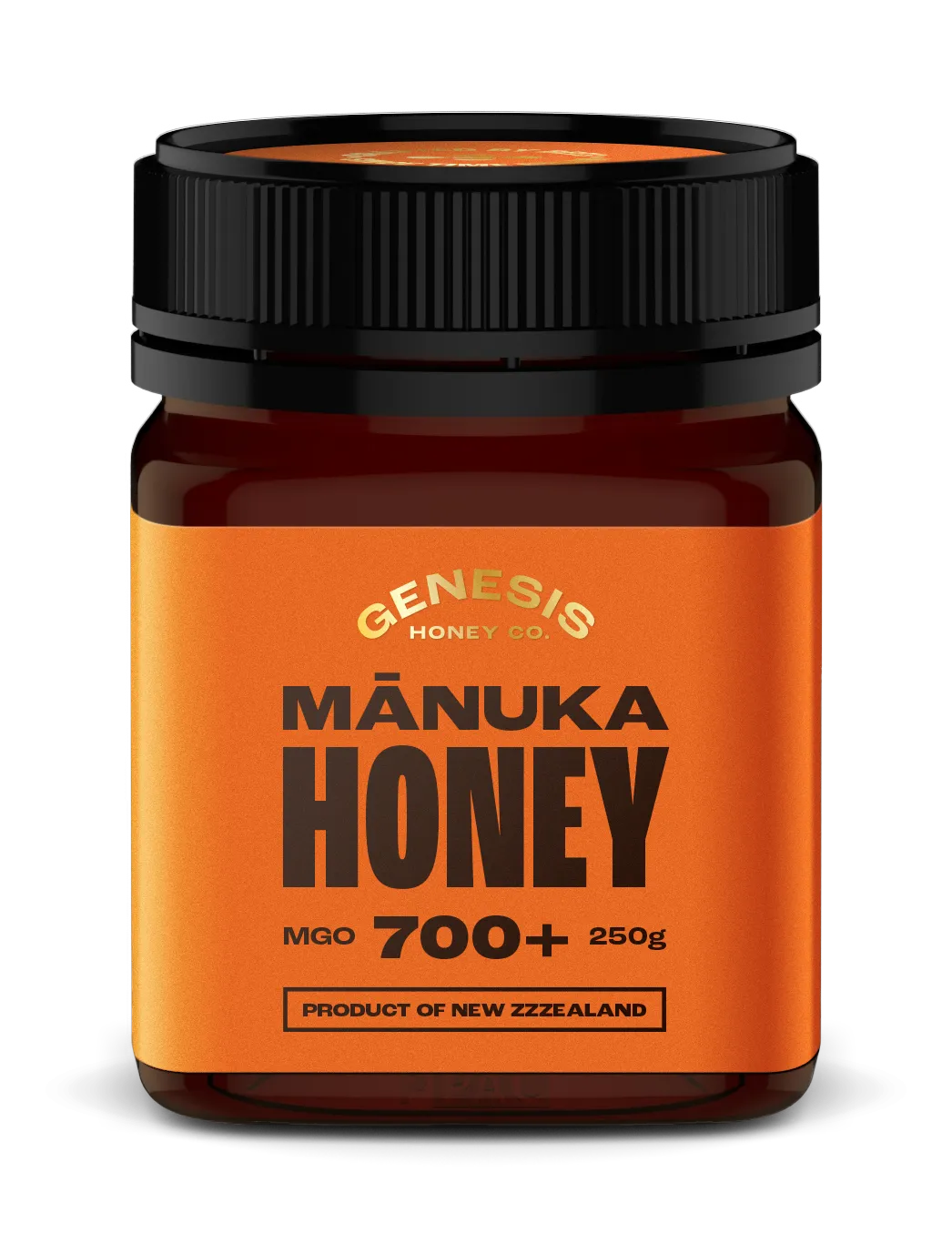
How to Read the Batch Code on Your Jar
Every Genesis Honey Co jar carries a batch code that resolves to its own harvest window, origin region, packing date and laboratory result. Here is how.
Articles
Every Genesis Honey Co jar carries a batch code that resolves to its own harvest window, origin region, packing date and laboratory result. Here is how.

Blended honey is engineered for consistency by averaging across sites and seasons. Single-origin cannot be smoothed out, and that is the whole reason.
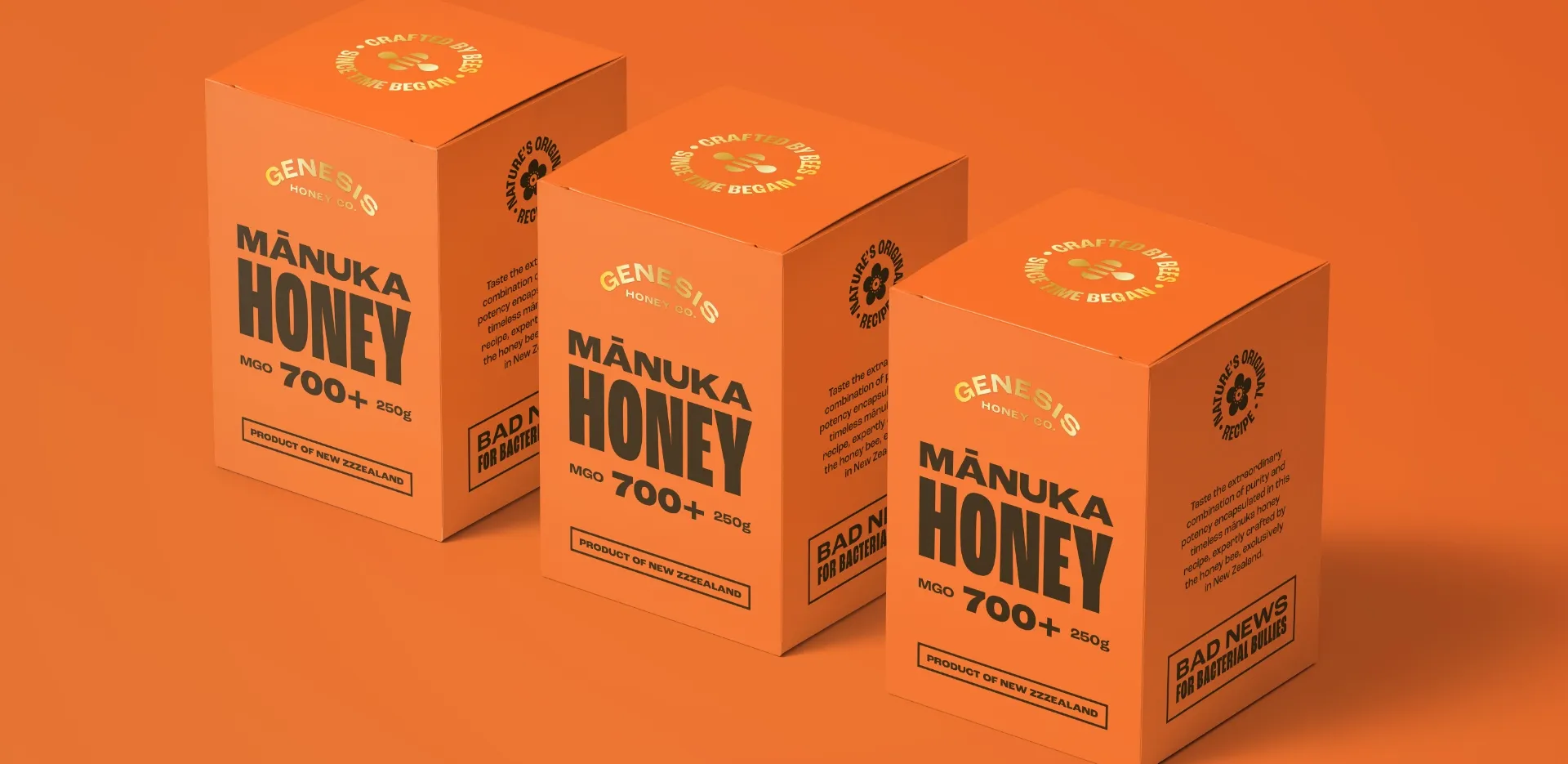
Mānuka honey belongs to a small club of foods that cost many times more than their ordinary equivalents and are sold with numbers, certifications and.
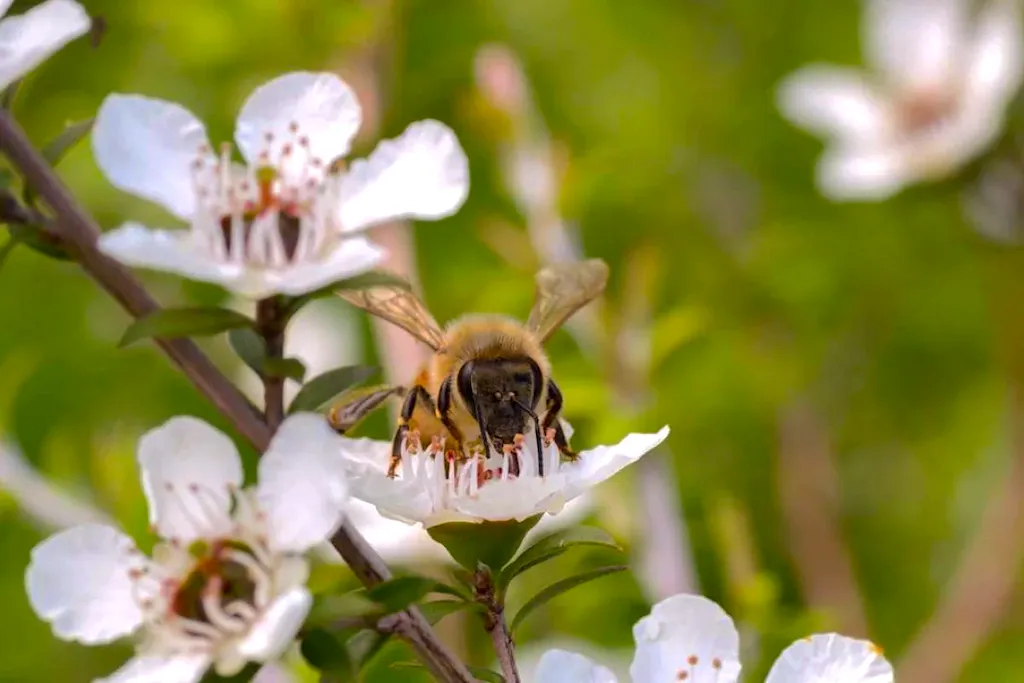
Before any honey leaves New Zealand labelled mānuka it has to pass a government scientific definition — four chemical markers plus a DNA test. Here is.
Two jars sit side by side. One says UMF 15+. One says MGO 514+. A third says KFactor 16, and a fourth just says "Active". Are they the same honey at.
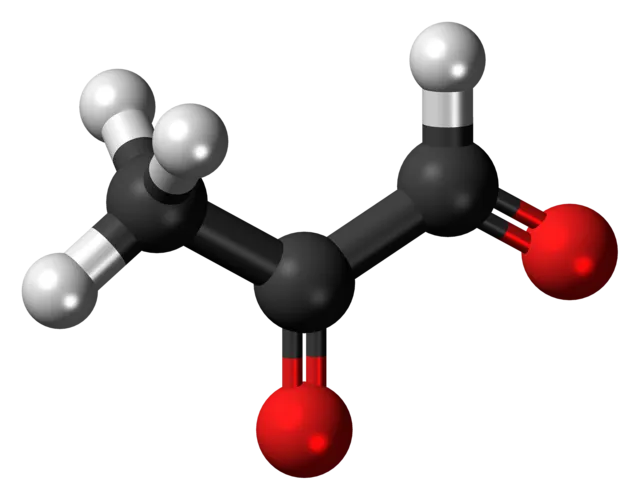
Almost everything unusual about Mānuka honey — the grading, the price, the testing regime, the counterfeiting — traces back to a single organic.
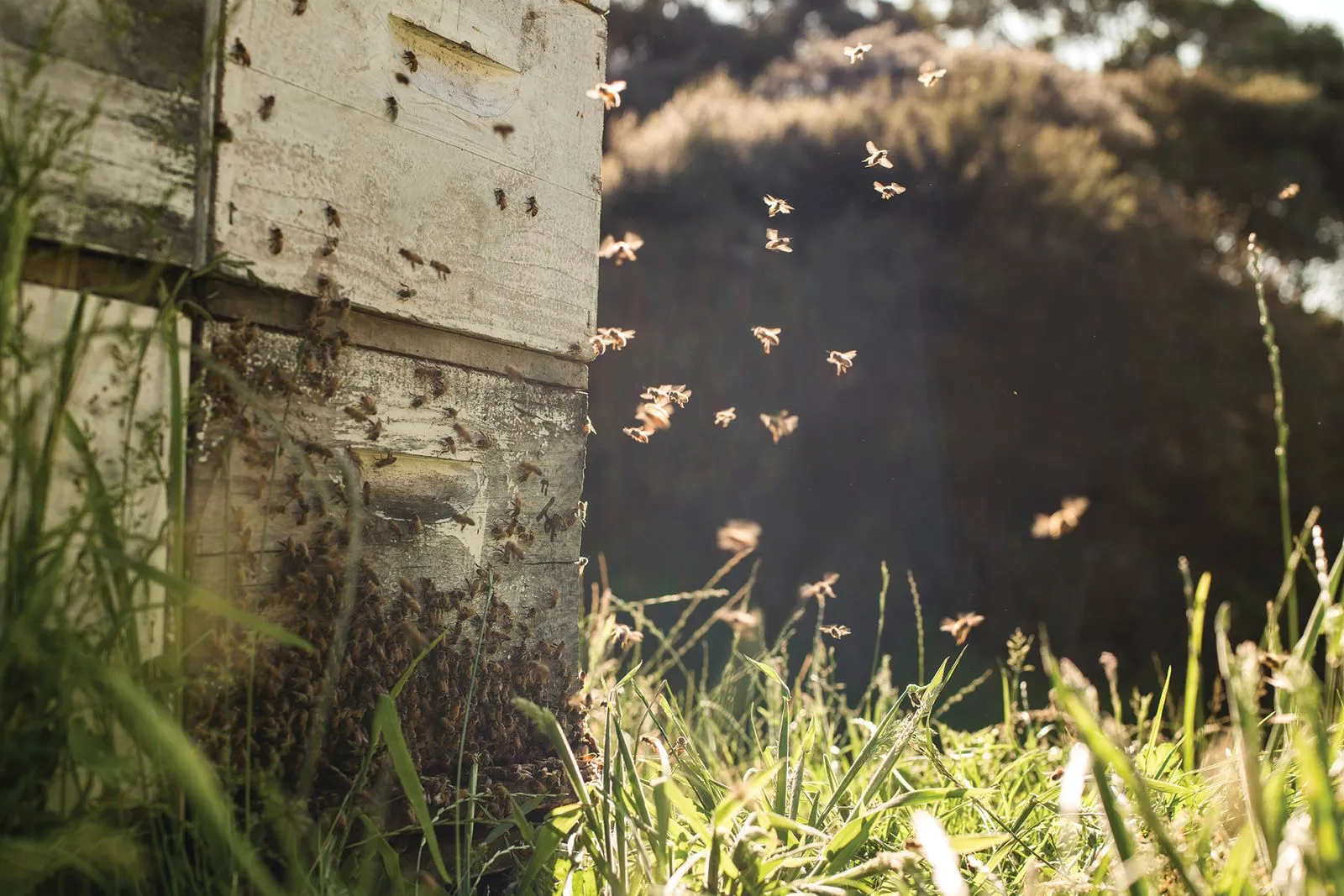
Mānuka honey has only been graded by laboratory number for a couple of decades. The tree itself has been part of life in Aotearoa New Zealand for very.
A jar of MGO 700+ costs considerably more than the honey next to it on the shelf, and most of the questions we get are practical ones: how long does it.

Mānuka is not a drop-in replacement for the squeezy bottle in the pantry. It is darker, thicker and more resinous, with a faint bitterness and an.

A jar of MGO 700+ tends to get treated as too precious to open. That is a shame — it is food, and its resinous, faintly bitter character does things a.
Three jars, three labels, three very different prices. "Honey", "raw honey" and "Mānuka honey" are not points on a single quality scale — they describe.
Mānuka honey earns its place in sweet cooking for a reason that has nothing to do with sweetness: it has a slight bitterness and a resinous, almost.
Walk along a shelf of Mānuka honey and the numbers climb steeply: 83, 263, 514, 700, 829. So does the price — often far faster than the number. It is.
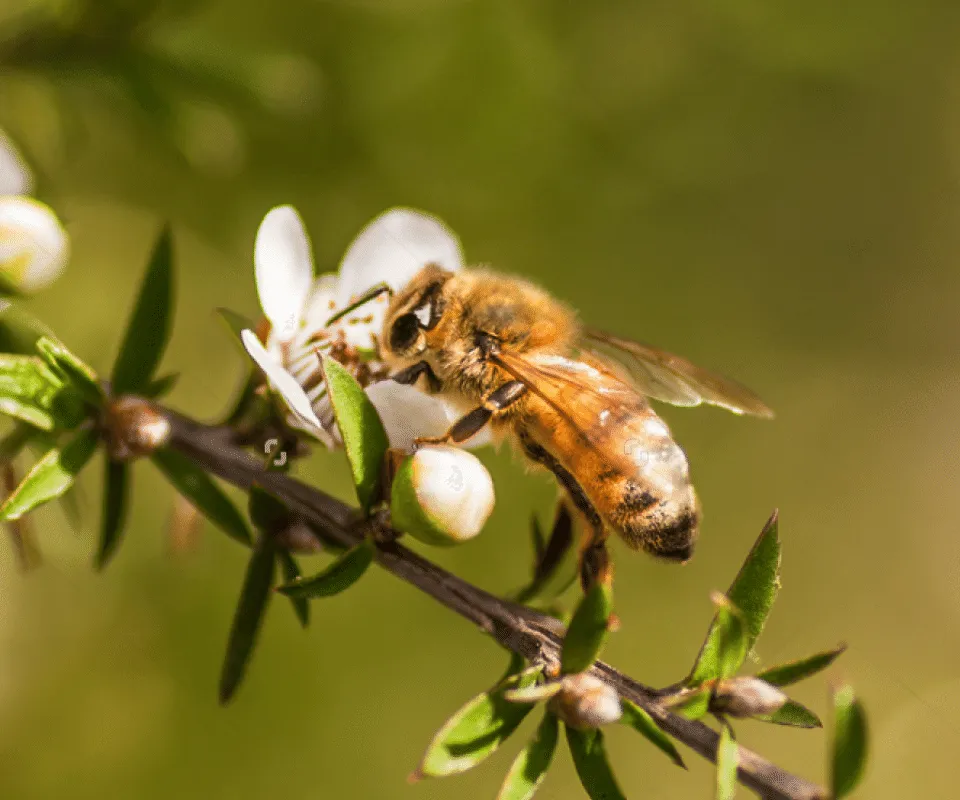
Most people put Mānuka honey on toast and stop there. It is worth pushing further — its resinous, faintly bitter character makes it far better suited.
Mānuka honey is at its best in the colder months — not because it does anything to you, but because its flavour suits everything winter already.
Every jar of Mānuka honey carries a number — MGO 263, MGO 514, MGO 700+. It looks like marketing shorthand, but it is the opposite: it is a laboratory.
Most honey on a supermarket shelf can be produced in volume, year after year, almost anywhere. MGO 700+ Mānuka honey cannot. Its scarcity is not a.
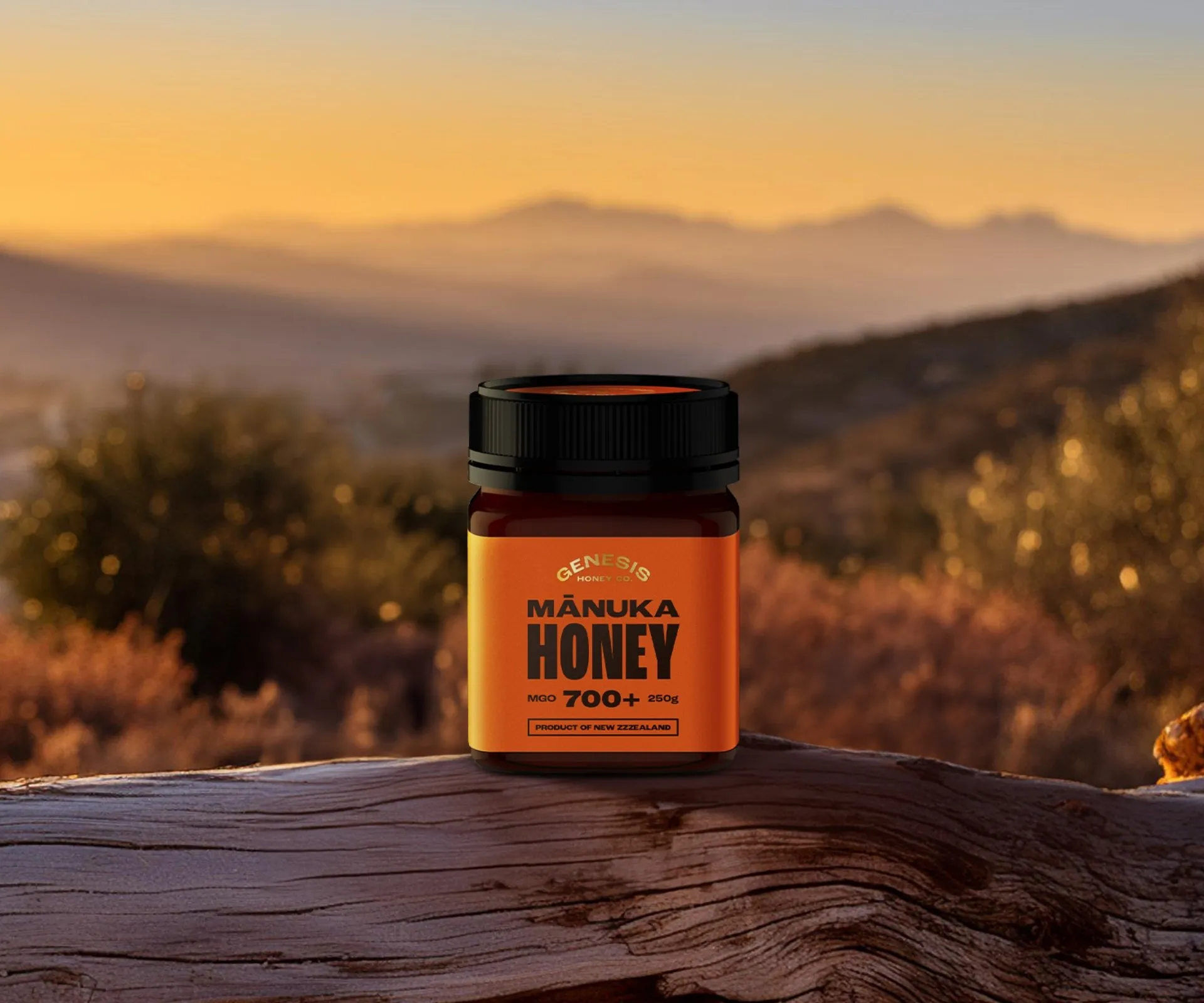
Mānuka honey is the most heavily graded, most tested and most counterfeited honey in the world. It is also sold with more confusing terminology than.