
Can Mānuka Honey Be Faked by Adding MGO?
Short answer: Yes, someone can add synthetic methylglyoxal or its precursor DHA to raise a honey's MGO number. But added MGO cannot supply the four chemicals from mānuka nectar or the mānuka pollen DNA that New Zealand's MPI test requires. Laboratories also check whether MGO, DHA and HMF levels fit naturally matured honey. A high grade alone proves nothing.
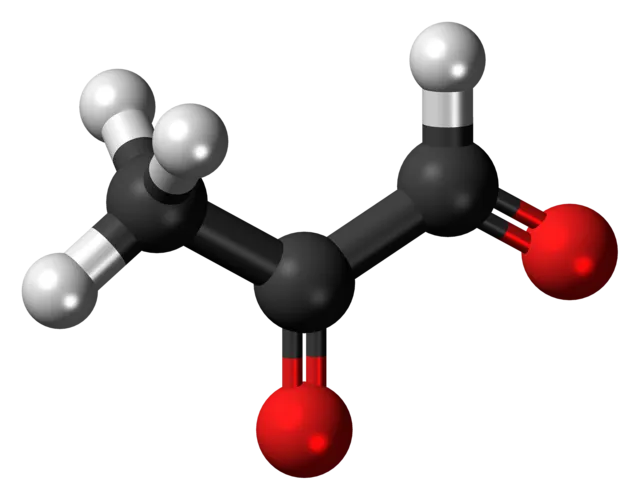
Methylglyoxal (MGO) is the compound that gives mānuka honey its grade. It is also a common chemical. That combination raises an obvious question.
Can it be done?
Yes. Synthetic MGO, or dihydroxyacetone (DHA), which converts into MGO over time, can be added to ordinary or low-grade honey to make it test higher. It is a known form of food fraud, and it is the main reason an MGO number on its own should never be taken as proof of anything.
Why it does not get past a full test
It cannot fake the rest of mānuka. New Zealand’s MPI definition does not look at MGO at all. It looks for four chemicals that come from mānuka nectar and DNA from mānuka pollen. Adding MGO to ordinary honey adds none of those. See the MPI definition explained.
The chemistry has to fit. In genuine mānuka, MGO forms slowly from the DHA in the nectar as the honey matures, so the two move together over months. Laboratories also measure HMF, which rises with heat and age. A sample whose MGO, DHA and HMF levels do not fit a naturally matured honey stands out.
Single-origin limits the incentive. A single-origin batch has to reach its grade from one harvest, with no blending to lift it. Read why single-origin costs more.
What this means for buying
A grade is a claim. The protection is in what sits behind it:
- Honey exported from New Zealand under MPI certification
- A named, accredited laboratory
- A batch code that resolves to that laboratory’s result
Genesis Honey Co is exported under MPI certification (exporter AEX000242), and each batch is graded MGO 700+ by Hill Laboratories. Your jar’s code traces to its record.
Questions
Can synthetic MGO be added to honey?
Yes. Methylglyoxal is a common chemical, so adding it to ordinary honey is possible. It is one reason a grade number on its own is not proof.
How do laboratories detect added MGO?
Added MGO does not bring mānuka's nectar chemicals or pollen DNA, so the MPI markers fail. Labs also check that MGO, DHA and HMF levels fit natural maturation.
How can I be sure my mānuka's grade is genuine?
Buy honey exported from New Zealand under MPI certification, graded by a named accredited laboratory, with a batch code that traces to that result.