
7 Things That Make 700+ MGO Mānuka Honey Rare
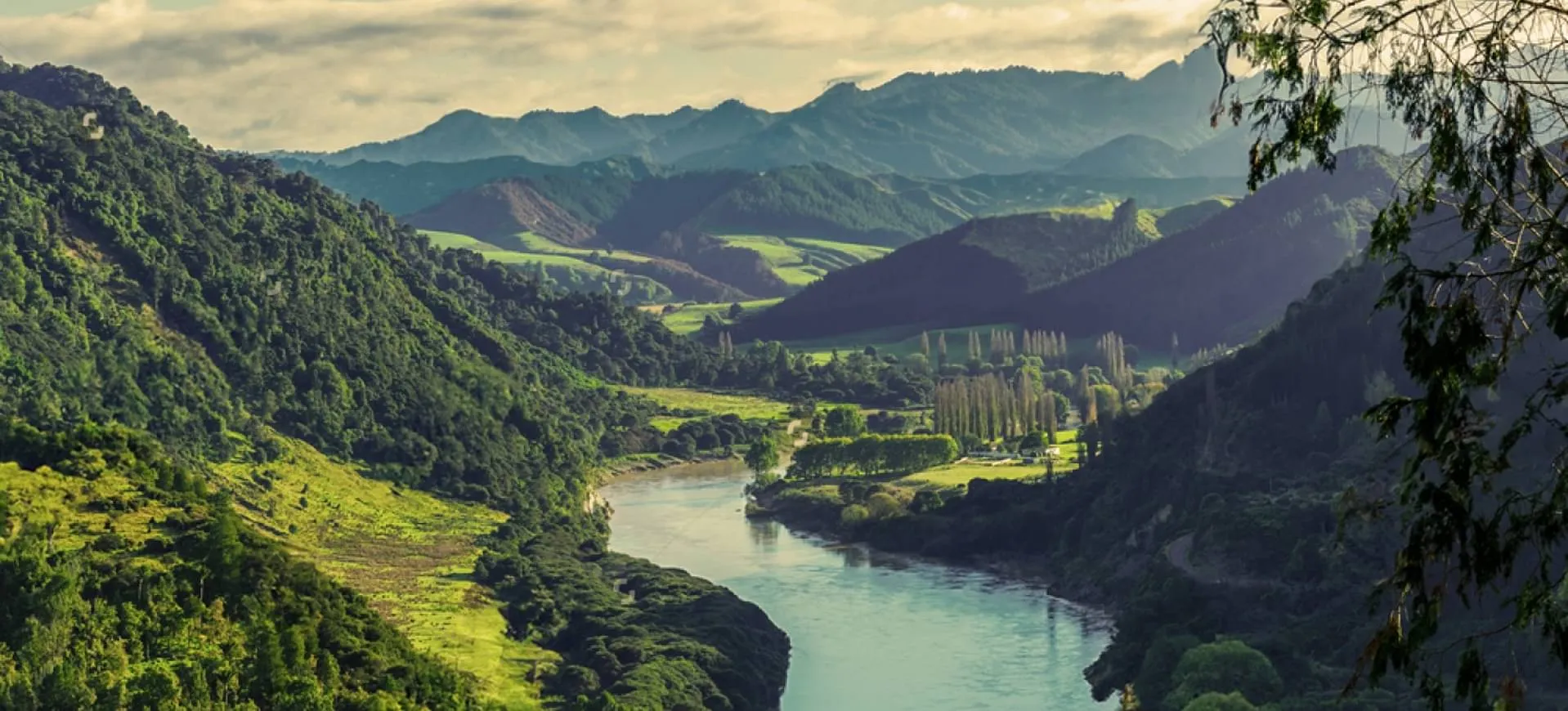
Most honey on a supermarket shelf can be produced in volume, year after year, almost anywhere. MGO 700+ Mānuka honey cannot. Its scarcity is not a marketing position — it is the arithmetic of a short flowering season, a remote landscape and a laboratory threshold that most harvests never reach. Here are the seven things that make it genuinely uncommon.
1. The tree flowers for barely a month
The mānuka tree blooms for roughly four to six weeks a year. That is the entire annual window in which this honey can be made. Every jar produced anywhere in the world traces back to that handful of weeks.
2. The weather gets a vote
Mānuka flowers in the New Zealand summer, frequently in exposed hill country. Rain, wind or an early cold snap during the bloom can reduce a season’s yield dramatically or end it outright. Beekeepers plan for a harvest they cannot guarantee.
3. The best sites are hard to reach
Strong mānuka stands tend to grow in remote, undeveloped country. Hives are often moved in by helicopter or four-wheel drive, placed for a few weeks, then extracted. The logistics are closer to an expedition than a farm run.
4. Most harvests never reach 700
This is the real bottleneck. Methylglyoxal levels vary enormously between sites and seasons. A great many genuine mānuka harvests test in the low hundreds. Reaching a verified MGO 700+ takes the right stand of trees, the right season and the right maturation — and it simply does not happen every year.
5. The compound takes time to develop
Mānuka nectar is rich in dihydroxyacetone (DHA), which converts slowly into methylglyoxal as the honey matures. That conversion cannot be rushed or manufactured. High-grade honey is, in part, honey that has been given time.
6. Every batch is tested independently
Grading is done by an accredited laboratory, not the producer. Our batches go to Hill Laboratories in New Zealand, where methylglyoxal is measured in milligrams per kilogram. A batch is graded on its own result — there is no averaging across seasons to lift a number.
7. Single-origin means no blending
Blending is the standard way to hit a consistent number: combine harvests until the average lands where you want it. We do not do that. Each batch comes from one place in one season, which means the grade reflects a real harvest rather than a recipe.
What that adds up to
A single 250g jar represents the work of hundreds of bees making well over half a million flower visits, in a season that lasts a few weeks, in country most people never see — and then a laboratory result that most harvests do not achieve.
Ours is labelled MGO 700+, graded on that batch’s own result. The batch code printed on your jar links to that harvest, its origin region and its laboratory result, so the rarity is something you can verify rather than something you have to take on faith.