
What Makes Mānuka Honey Unique: A Deep Dive into MGO
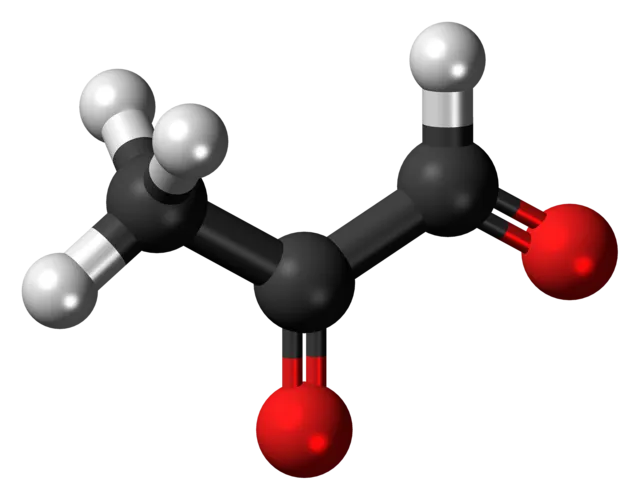
Every jar of Mānuka honey carries a number — MGO 263, MGO 514, MGO 700+. It looks like marketing shorthand, but it is the opposite: it is a laboratory measurement, taken from that specific batch of honey, and it is the single most useful thing on the label. Here is what it actually measures, and why Mānuka is the only honey graded this way.
One tree, one short window
Mānuka honey comes from bees foraging the Leptospermum scoparium — the mānuka tree, native to New Zealand. The tree flowers for roughly four to six weeks a year, often in remote country, and only when the weather cooperates. Miss the window, or lose it to rain, and that season’s harvest simply does not happen. Everything unusual about Mānuka honey starts with that narrow window.
The compound behind the grade
Mānuka nectar contains an unusually high level of dihydroxyacetone, or DHA. As the honey matures, DHA gradually converts into methylglyoxal — MGO. That conversion is slow, happens naturally in the jar, and is the reason Mānuka carries a compound that ordinary honeys have only in trace amounts.
MGO is measured in milligrams per kilogram. When a jar says MGO 700+, it means laboratory testing confirmed at least 700mg of methylglyoxal in every kilogram of that honey. It is a concentration, not a claim.
How it is measured
Grading is not done by the producer. A sample from each batch goes to an independent laboratory — ours go to Hill Laboratories in New Zealand — where methylglyoxal is quantified by chemical analysis. The result comes back as a number for that batch alone.
Two jars from the same brand, harvested in different seasons, can legitimately carry different grades. That is honest variation in a natural product, not inconsistency.
Reading the scale
Roughly speaking, the grades line up like this:
- MGO 83+ — entry grade, everyday table honey
- MGO 263+ — mid grade
- MGO 514+ — high grade
- MGO 700+ — premium tier, and considerably scarcer
- MGO 829+ — the rarest harvests
You will also see UMF numbers. UMF is a separate licensing system, run by the UMF Honey Association, that bundles MGO with other authenticity markers such as leptosperin and DHA. Only licensed producers may put a UMF grade on a jar. We are not licensed under it, so we grade on MGO and publish the laboratory certificate for each batch instead.
Rounded down, never up
We label our honey MGO 700+. That is deliberate — the label states the grade tier the honey comfortably exceeds, rather than a peak figure. If a producer’s label number and their test result are the same to the decimal, it is worth asking which one came first.
The part you can check yourself
A grade is only as good as the ability to verify it. Every Genesis Honey Co jar is printed with a batch code and a trace URL. Enter it and you will see that batch’s harvest window, origin region, packing date and laboratory result — no account, no form, no email address required.
If a producer cannot show you where a specific jar came from and what it tested at, the number on the front is asking for trust it has not earned.