
Why Mānuka Honey Is Counterfeited, and How Fakes Are Caught
Short answer: Mānuka honey is counterfeited because it is scarce and expensive. The common methods are diluting it with cheaper honey or sugar syrup, relabelling ordinary honey, and adding synthetic chemicals to raise a grade. Laboratory tests catch them: MPI's chemical and pollen DNA markers, sugar tests for syrup, and checks on how methylglyoxal relates to its natural precursor.
Fraud follows price. Mānuka sells for many times the price of ordinary honey, and its supply is capped by a flowering season of four to six weeks. That gap between demand and what the trees can produce is the whole reason counterfeiting exists.
The common methods
Dilution. Genuine mānuka is mixed with cheaper honey, or with sugar syrup, and sold as if it were all mānuka.
Relabelling. Ordinary honey is labelled mānuka, sometimes with a convincing number.
Grade inflation by blending. Batches are mixed until the average reaches a target grade. This is legal when labelled honestly, but the number then describes a recipe, not a harvest. See why single-origin costs more.
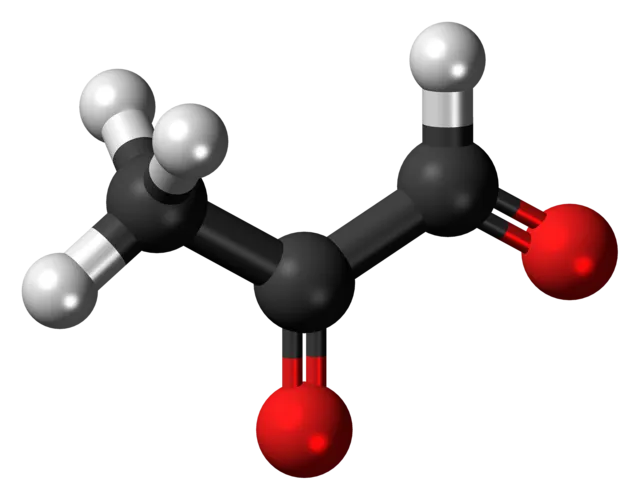
Added chemicals. Synthetic methylglyoxal, or the precursor DHA, can be added to make a low grade test as a high one.
How fakes are caught
MPI’s five markers. Honey exported from New Zealand as mānuka must show four chemicals from mānuka nectar and DNA from mānuka pollen. Dilution with other honey drags those markers down, and ordinary honey lacks the pollen DNA. Our MPI definition explainer has the detail.
Sugar analysis. Standard laboratory methods detect sugar syrups from cane and corn, which have a different carbon signature from honey.
Chemistry that has to add up. In genuine honey, methylglyoxal forms slowly from DHA as the honey matures. Laboratories look at how MGO, DHA and HMF relate to each other; a sample whose numbers do not fit natural maturation draws attention.
Why traceability is the best defence
Testing catches fraud after the fact. Traceability lets you avoid it before you buy: if a jar’s batch code resolves to a named laboratory’s result for that batch, the claim on the front has been exposed to checking. Every Genesis Honey Co jar traces to its batch record.
Questions
Why is mānuka honey faked so often?
It sells for many times the price of ordinary honey, and the harvest is capped by a flowering season of four to six weeks.
How is fake mānuka honey detected?
By laboratory testing: MPI's four nectar chemicals and pollen DNA, sugar analysis for added syrup, and checks that a sample's chemistry matches naturally matured honey.
How can I avoid fake mānuka honey?
Buy honey packed in New Zealand, with a specific grade, a named laboratory and a batch code you can trace to a test result.