
How to Tell If Mānuka Honey Is Real: 7 Checks Before You Buy
Short answer: Genuine New Zealand mānuka honey carries a specific grade such as MGO 700+, says Product of New Zealand, is packed in New Zealand by an MPI-registered exporter, names the laboratory that tested it, and has a batch code you can look up. If a jar fails two or more of these checks, treat its claims with caution.
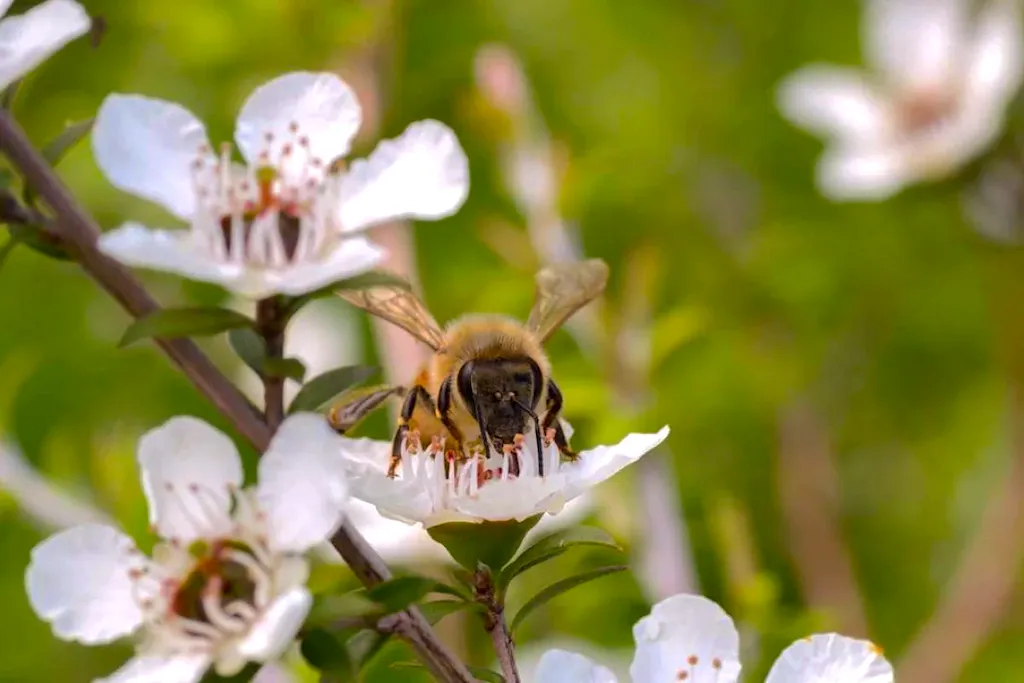
Mānuka honey is one of the most copied foods in the world, because it is one of the most expensive. The good news is that genuine New Zealand mānuka leaves a paper trail, and you can check most of it from the label before you pay.
1. Is there a specific number?
A real grade is a number: MGO 263+, MGO 700+, UMF 15+. Words such as “Active”, “Premium” or “Bioactive” with no number attached are not a grade and cannot be checked. See what each grading system measures.
2. Does it say Product of New Zealand?
New Zealand is the only country whose government sets a scientific test for honey exported as mānuka. Honey that says Product of New Zealand and is sold overseas as mānuka has had to pass it.
3. Was it packed in New Zealand?
Packed in New Zealand matters as much as harvested there. Honey shipped in bulk and repacked elsewhere has left the system that tested it, and the link between the jar and the test result can be lost.
4. Is there an MPI exporter?
New Zealand’s Ministry for Primary Industries (MPI) registers exporters and gives each an ID. A brand that can name its exporter ID is tied to an auditable operator. Ours is AEX000242. More in what MPI certification checks.
5. Is the laboratory named?
A grade is only as credible as the laboratory behind it. Look for a named, accredited laboratory. In New Zealand, accreditation is by IANZ (International Accreditation New Zealand). Ours is tested by Hill Laboratories.
6. Can you trace the batch?
The strongest check of all. A batch code that you can type into the producer’s website and get back a harvest window, origin region, packing date and laboratory result turns the number on the front into something you can verify. Trace a Genesis Honey Co jar here.
7. Do the price and grade make sense together?
High grades are scarce, so they cost more. A jar claiming MGO 800+ at the price of an ordinary honey is the combination to question. Low grades such as MGO 83+ are genuine mānuka and are meant to be affordable.
What the checks cannot tell you
No label check replaces laboratory testing; the checks tell you whether a producer has exposed its claims to verification. A jar that passes all seven has put its evidence where you can see it.
Questions
What is the quickest way to check if mānuka honey is real?
Look for three things on the label: a specific MGO or UMF number, Product of New Zealand, and a batch code you can trace to a laboratory result.
Can I test mānuka honey at home?
No. Taste, colour and thickness vary between harvests and prove nothing. Authenticity is established by laboratory tests for chemical markers and mānuka pollen DNA.
Is cheap mānuka honey fake?
Not necessarily. Low grades such as MGO 83+ are genuine and cost less. A very low price on a very high grade is the combination worth questioning.