UMF, MGO, KFactor, and More: Decoding Mānuka Honey Grading Systems
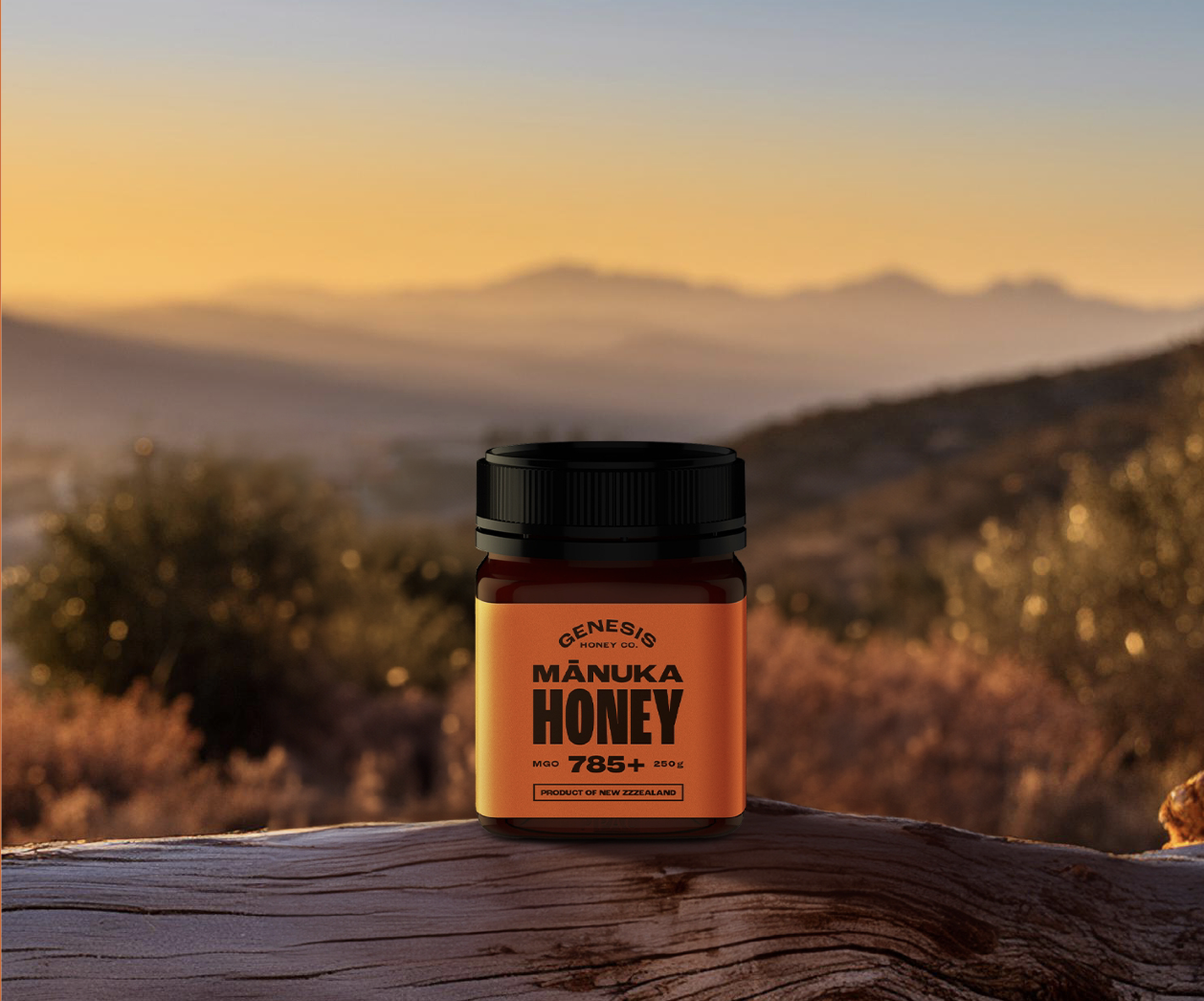
One jar says "UMF 20+", another says "MGO 829+", and yet another shows "KFactor 16." We simplify the various Mānuka honey grading systems so you can shop confidently.

The Journal
Stories, science and recipes from the world of New Zealand mānuka honey.
One jar says "UMF 20+", another says "MGO 829+", and yet another shows "KFactor 16." We simplify the various Mānuka honey grading systems so you can shop confidently.

New Zealand produces around 1,700 tons of genuine Mānuka honey each year, yet nearly 10,000 tons are sold worldwide. Here are five key ways to verify quality.

In an era where bee populations face serious threats, our ethical practices aren't just good business — they're essential for the future.

Move over wine and chocolates – ultra-premium Mānuka honey is emerging as a coveted luxury gift for foodies and wellness enthusiasts alike.

For centuries, indigenous communities have revered Mānuka for its extraordinary healing properties. Today, modern science has validated this ancient wisdom.

Could a spoonful of honey a day keep the gastroenterologist away? Emerging research suggests yes, for acid reflux, ulcers, and IBS.

How our premium 700+ MGO Mānuka honey compares to other natural remedies, and how these powerful ingredients can work together.

Mānuka honey offers a unique culinary experience with its complex, caramel-like sweetness and herbal undertones — the perfect gourmet ingredient.

With antibiotic-resistant infections rising globally, natural alternatives like Genesis Honey Co.'s 700+ MGO Mānuka honey are increasingly valued.